


Simply put, we need to increase fares in order to maintain our current level of service and reduce the financial impact to the County's Road Fund. Skagit County Public Works is proposing to increase ferry fare rates in the spring of 2023. This proposal represents the first substantial increase in fares for operational costs since 2015. A vessel replacement surcharge was implemented in 2018; however, revenue from that surcharge can only be used to fund vessel replacement.
Ferry Rate Setting Process
Public Works | Ferry Division
Ferry Replacement Surcharge
Background on Ferry Fare Revenue Target Methodology
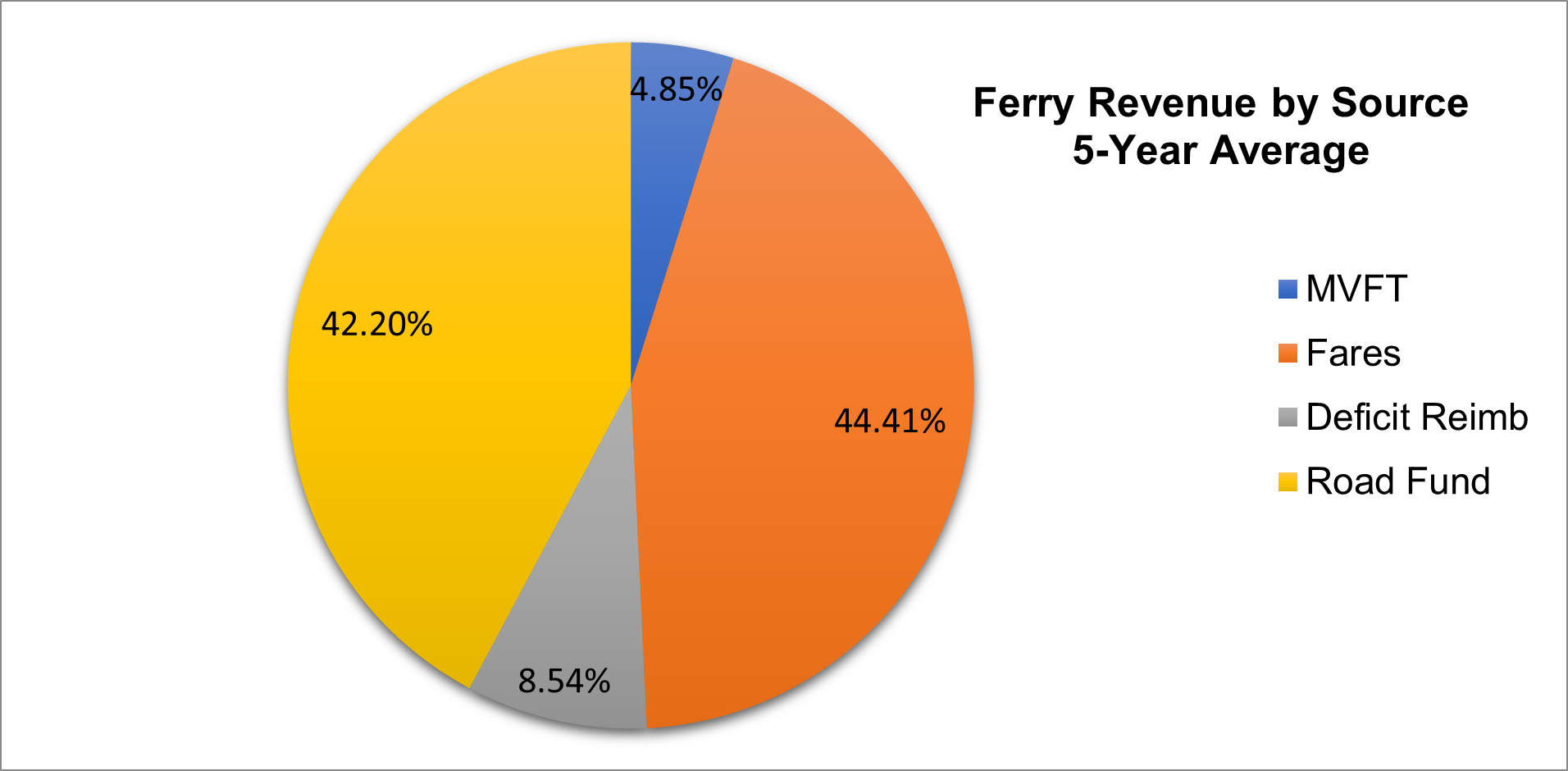
Beginning February 16, 2010, a 65% ‘ferry fare revenue target methodology’ was established for the Skagit County ferry system (with Resolution R20100050, amended by Resolution R20110382). The methodology requires that 65% of the operational and maintenance costs for the ferry system be borne by the fare payers, motor vehicle fuel tax, and the WSDOT deficit reimbursement, and the remaining 35% be borne by Skagit County property taxes. The formula uses a 5-year average of the past 5 years to calculate the revenue target.
The resolutions mandate that Public Works prepare and submit a report, call the Ferry Fare Revenue Target Report, to the Skagit Board of County Commissioners that calculates the County’s ferry fare revenue target pursuant to the formula, and recommend a ferry rate schedule for the upcoming calendar year with an estimate of fares based off those rates.
The new ferry fare formula was first implemented in 2023, with the new rates in effect starting August 15, 2023.
2023 Ferry Fare Proposal Documents
- Draft Resolution to Approve 2023 / 2024 Guemes Ferry Rates
- Draft Resolution Attachment A – Guemes Island Ferry Fare Revenue Methodology
- Draft Resolution Attachment B – 2023 Revenue Targets
- Draft Resolution Attachment C – Guemes Island Ferry Fare Schedule
- Guemes Island Ferry System 2023 Rate Study Report
- KPFF Proposed Fare Schedule
- 2023 Ferry Fare Revenue Target Report
2023 Rate Study:
Public Comments Received
In alphabetical order by first name.
History of Farebox Revenue
The Farebox Revenue Target is set annually in the Ferry Fare Revenue Target Report. Since 2018, farebox revenue has not met the revenue target.
| Revenue Target Variance | |||||
|---|---|---|---|---|---|
| 2017 | 2018 | 2019 | 2020 | 2021 | |
| Revenue Target | $ 1,144,694 | $ 1,282,491 | $ 1,302,372 | $ 1,386,935 | $ 1,300,624 |
| Farebox Revenue | $ 1,160,205 | $1,232,411 | $ 1,172,643 | $ 1,090,088 | $ 1,115,037 |
| Variance | $ 15,511 | $ (50,080) | $ (129,729) | $ (296,847) | $ (185,587) |
Like many businesses, organizations, and government entities did during the pandemic, Skagit County pressed the ‘pause’ button on making any increases or substantial changes to the fare schedule in hopes that operational costs and ridership patterns would stabilize after COVID mandates were lifted. Unfortunately, this was not been the case and the Commissioners needed to increase fares to reduce the likelihood of service level cuts.
Changes in Ridership Patterns & Revenue
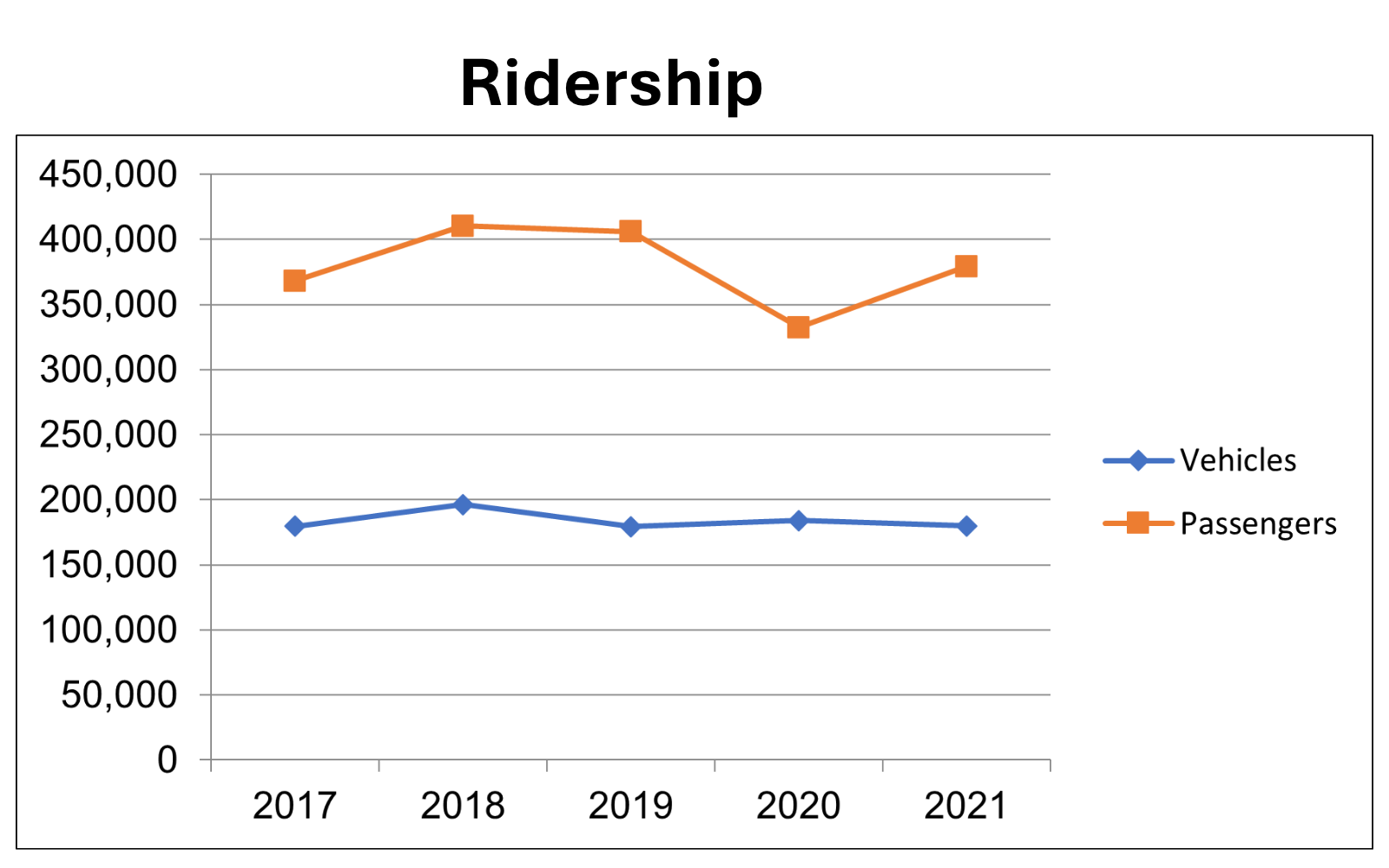
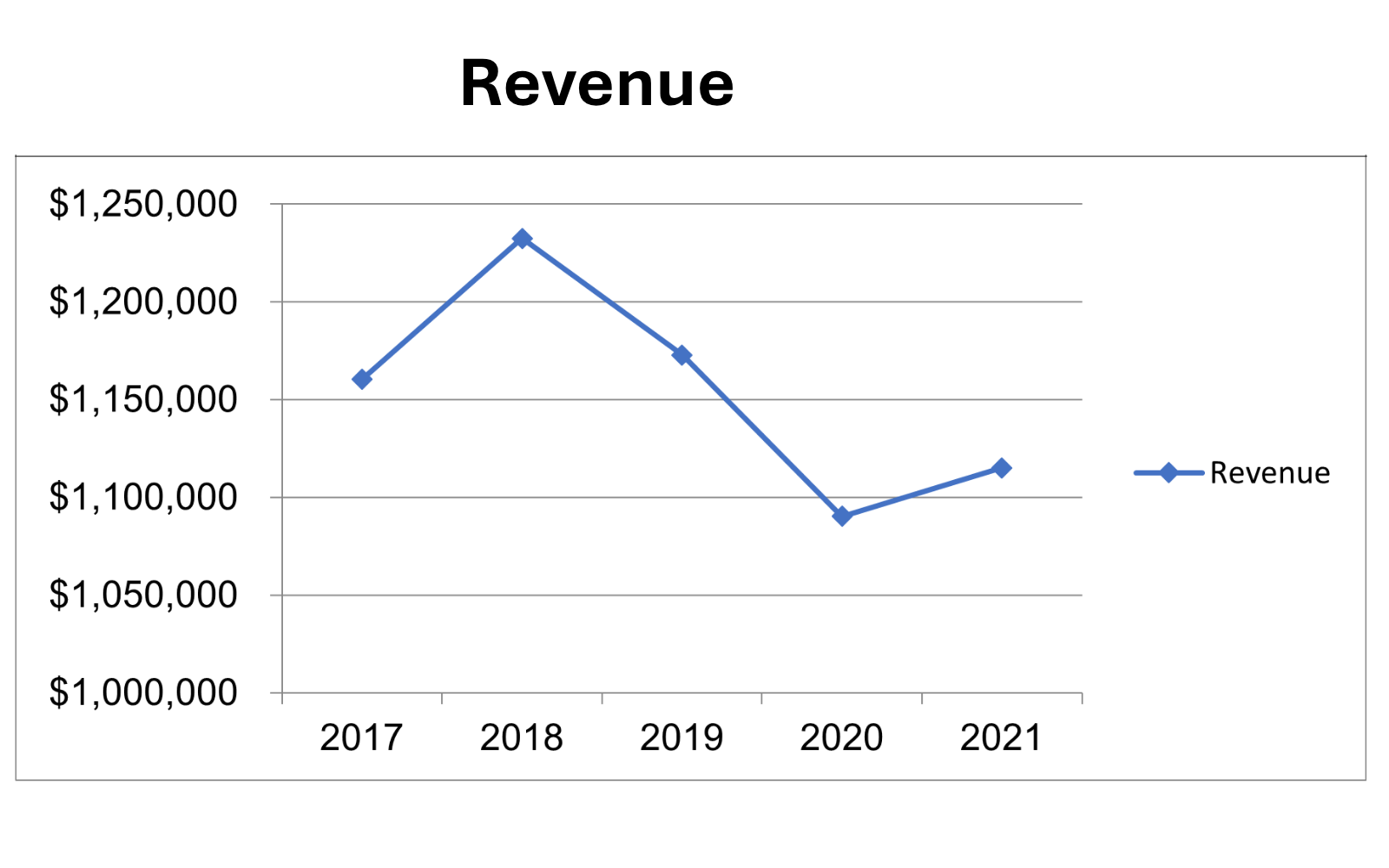
A review of ridership data shows that the ferry system experienced peak ridership and farebox revenue in 2018.
| Ridership 2017-2021 | |||||
|---|---|---|---|---|---|
| 2017 | 2018 | 2019 | 2020 | 2021 | |
| Vehicles | 179,642 | 196,383 | 179,301 | 183,852 | 179,983 |
| Passengers | 368,212 | 410,177 | 405,887 | 332,360 | 379,092 |
The decline in passenger ridership in 2020 was due to the COVID-19 pandemic.
| Farebox Revenue 2017-2021 | |||||
|---|---|---|---|---|---|
| 2017 | 2018 | 2019 | 2020 | 2021 | |
| Revenue | $ 1,160,205 | $ 1,232,411 | $ 1,172,643 | $ 1,090,088 | $ 1,115,037 |
In 2017 and 2019, there was a haul-out of the vessel for maintenance work, resulting in less farebox revenue in each of those years. In 2020, the drop in farebox revenue was due to the COVID-19 pandemic.
Additionally, the road fund subsidy has averaged $1M annually over the last 5 years, which is more than 35% cost share as currently mandated by resolution.
Operational expenses have also steadily increased. Inflation has affected expenses such as fuel costs, wages, maintenance fees, and contracted services.
Proposed Action
Skagit County hired a consulting team, KPFF, to develop a recommended rate schedule along with a recommendation for fare policy and financial planning processes. Skagit County had a goal to implement electronic fare collection by the end of 2023. Recommendations of the study should consider and prioritize the future of fare collection.
Evaluation of the rate structure included:
- Fare options, including needs-based/senior/disabled discount, oversize vehicles/trailers, smaller vehicles, peak/non-peak, and reduction of number of fare types.
- Ratio of vehicle fares to walk-on fares, with consideration given to encourage alternatives to drive-alone trips, limited parking, and impacts to system revenue.
- Recommended rates for youth fares, school district and students, HAZMAT runs, after-hours runs, bicycles, and traffic impact fees.
- Evaluation of fare payment strategies to encourage use of online sales and multi-use punch cards, including streamlined discounts for multi-ride rates, commercial accounts, and credit card processing fees.
- Review other revenue sources, including a pricing strategy for parking.
- Throughput analysis and recommendations for additional scheduled runs to increase revenue.
- Evaluation of operating cost per run compared to average revenue per run.
- Review of future fare policies including strategies for future fare changes.
The Board of Skagit County Commissioners will ultimately decide what the new rate structure will be. The Commissioners have the sole authority to adopt fares and fare policy for the ferry system.
KPFF Project Schedule (Updated May 4, 2023)
Ferry Operations and Financial Reports
- Guemes Island Ferry Operations and Service Study
- 2022 Skagit County Ferry Operations Report
- 2021 Skagit County Ferry Operations Report
- Preliminary 2022 Expense Actuals vs. Budget Summary (Year End)
- Preliminary 2022 Revenue Actuals vs. Budget Summary (Year End)
- Preliminary 2023 Expense Actuals vs. Budget Summary (Jan - March)
- Preliminary 2023 Revenue Actuals vs. Budget Summary (Jan - March)
Past Work Sessions, Presentations, and Public Hearings
- Final Public Hearing: Thursday, June 8th, 2023
- Work Session: Monday, April 17th, 2023
- Work Session: Tuesday, March 14th, 2023
- Public Hearing: Tuesday, February 28th, 2023
- Work Session: Thursday, February 23rd, 2023
- Public Open House: Tuesday, January 3rd, 2023
Frequently Asked Questions


