Protecting Water | Home and Neighborhood
Public Works | Natural Resources Division
Scoop the poop
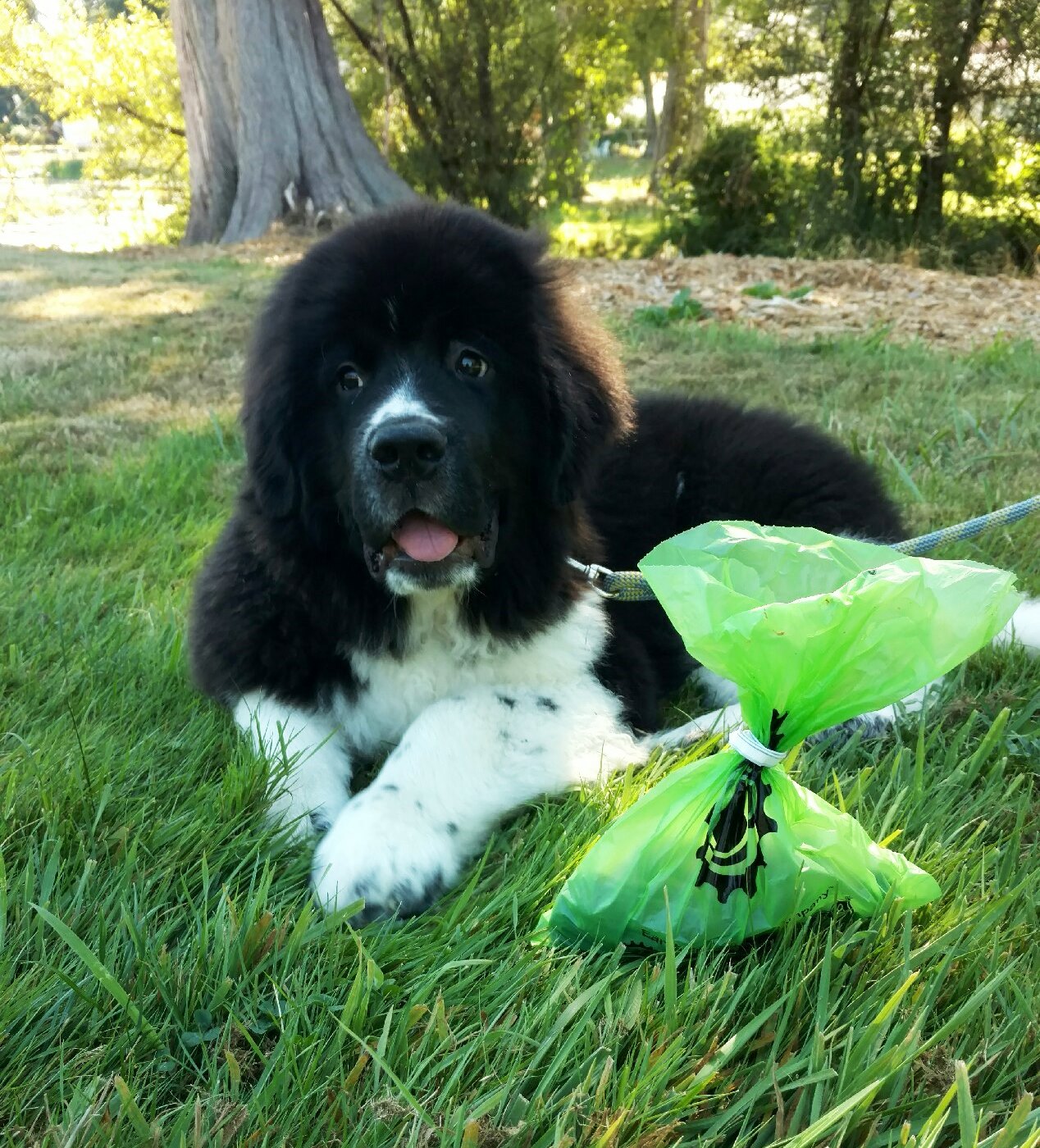
Dog poop isn’t just gross. It’s raw sewage, full of viruses, worm eggs, and bacteria that can make people and other pets sick. Those pathogens can live as long as a year. Long after that pile has disintegrated into the grass, pathogens are still lurking. Rain makes the problem worse! It picks up everything it touches, and carries that poop into our local creeks and waterways.
Picking up poop is NOT the best part of having a pet, but it’s in the job description. Otherwise, you risk harming the health of your pet, your kids, even the salmon and shellfish you have for dinner. So scoop it, bag it, and trash it. Learn more about the importance of scooping dog poop.
Dispose of your hazardous waste at our FREE facility
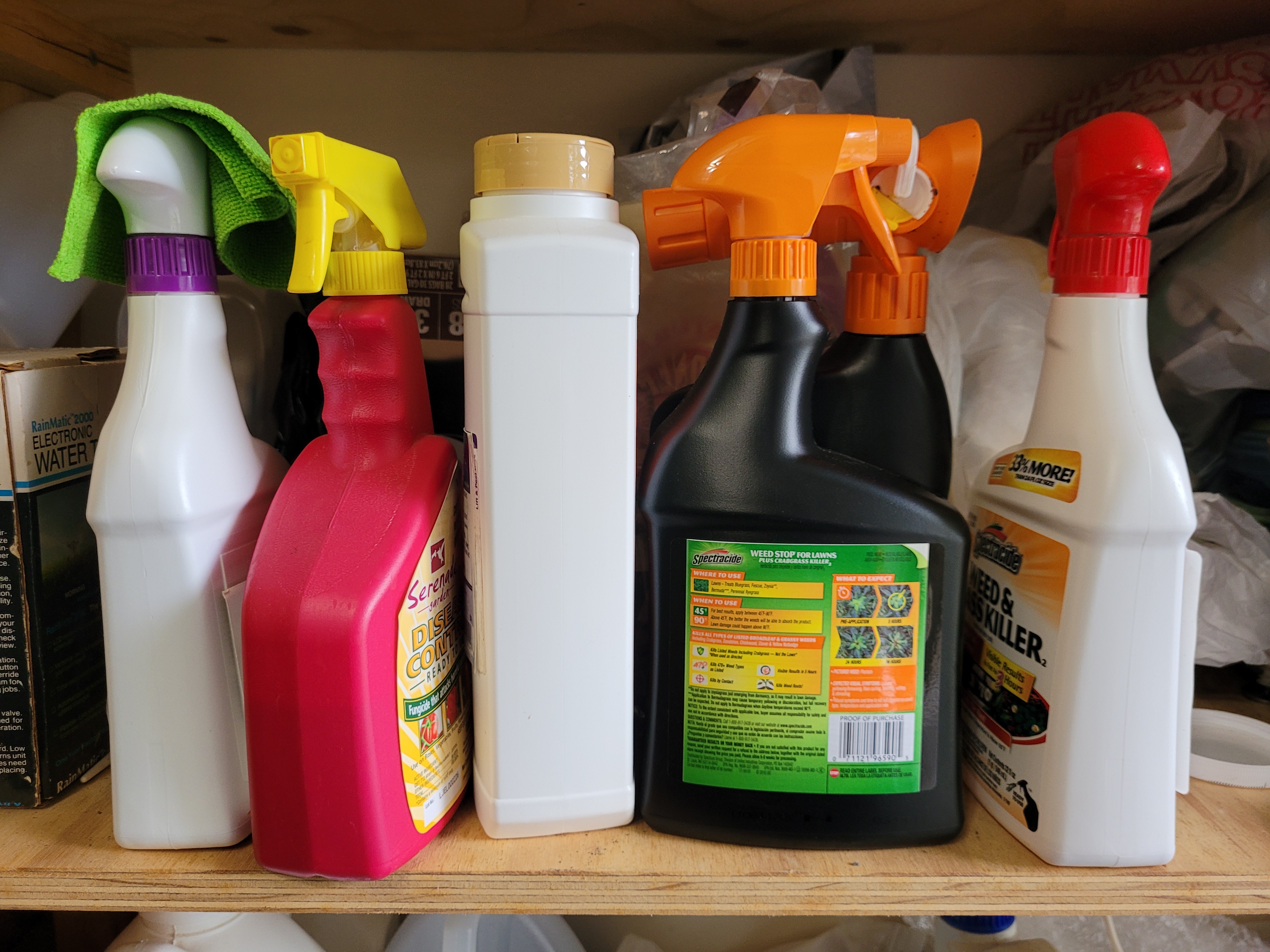
If the label says “Danger”, “Warning”, or “Caution” on it, don’t throw it in the trash! Use it up, or bring it to us. When hazardous waste gets put in the trash instead of being taken to a hazardous waste facility, it can spill and leak on the way to the landfill. That could hurt other people and the environment. So let us take it off your hands for you, free of charge!
Get details on what we will take, where, and when.
Maintain your septic system
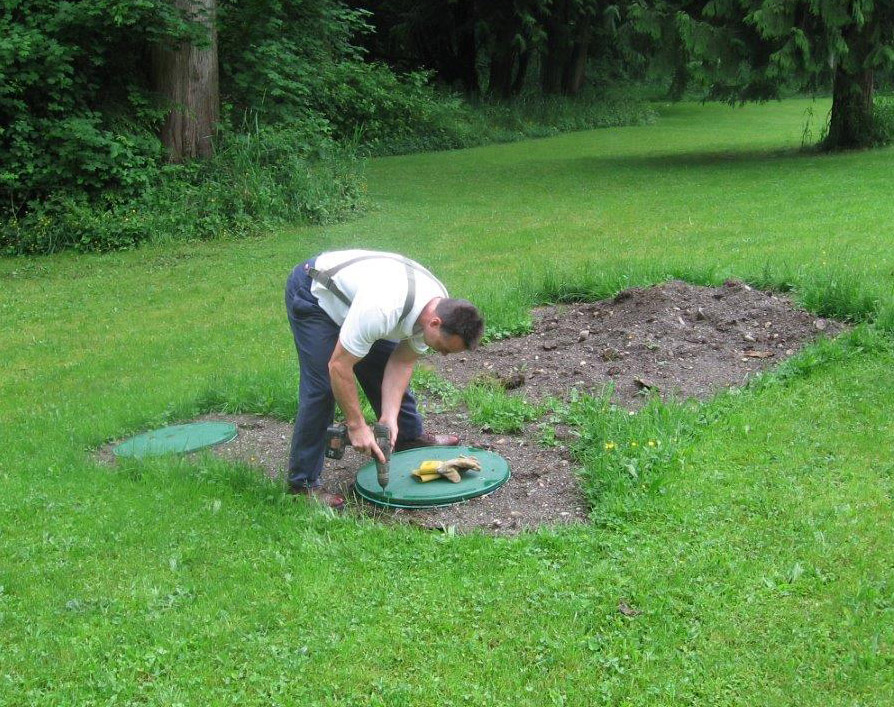
Septic systems cost thousands of dollars to install, and a failure can happen at any time – even in a newer system! Protect your investment by regularly maintaining your septic system.
Regular maintenance includes getting an inspection every year, or every three years if you have a gravity system with no moving parts. This will tell you if you need to get it pumped, and if there’s something small to fix that will prevent a big failure.
Learning how to extend the life of your septic system by taking our Septics 101 online course to learn how your septic system works. If you have a basic gravity system, you can learn to inspect your own septic system in our Septics 201 course.
Everything you need to know is on our Onsite Sewage Program webpage.
Maintain your neighborhood stormwater facilities
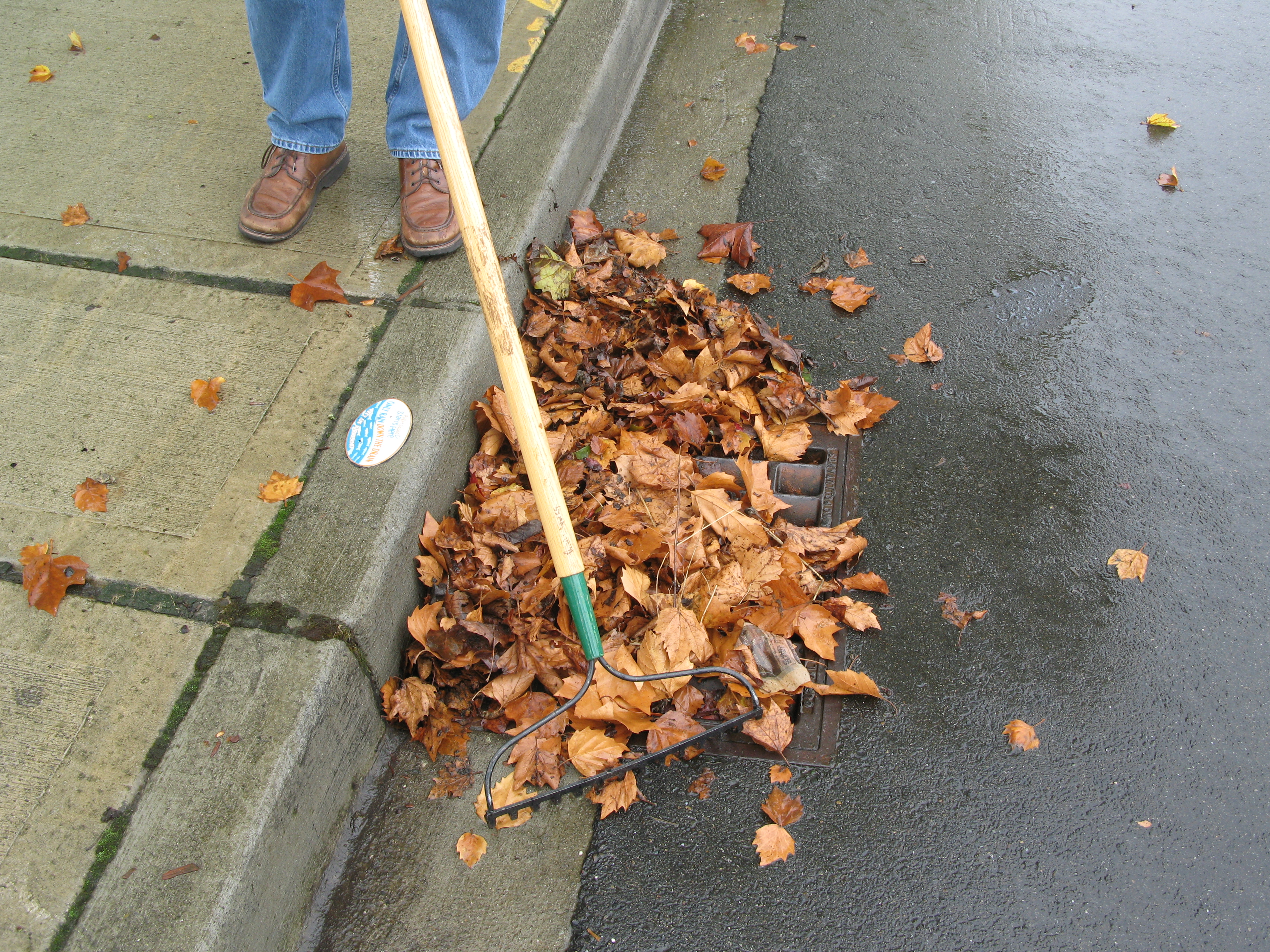
If your neighborhood has storm drains, detention ponds, or other facilities that channel and treat stormwater, make sure they’re well maintained. If you have storm drains, clean trash and leaves off the grates. If your neighborhood has ditches, keep them trash-free and maintain the vegetation at a reasonable height so it doesn’t plug up culverts. Never dump yard waste in ditches.
In most cases, homeowners associations and private property owners are responsible for maintaining their own facilities. Regular maintenance helps to protect your neighborhood from flooding, and can save you a large bill if your facility fails. This guide (PDF) will help you identify your facilities and keep them working. Check our list of professional maintenance providers (PDF) if you need help finding one. Once a year, we offer training on how to maintain stormwater facilities. Contact us to find out when the next training is.