Protecting Water | Yard and Garden
Public Works | Natural Resources Division
Use natural yard care instead of pesticides and herbicides
Less exposure to toxics. Lower cost. A healthy environment. These are all great reasons to switch to natural yard care.
Following the five steps to natural yard care is a guaranteed easy way to make sure your garden is healthy for you, the plants, and the environment. It can save you time and money too. Let the good bugs do the work for you by eating up the bad bugs! You’ll find that all sorts of beautiful and beneficial things show up in your garden that you never had before – lady bugs, dragonflies, bumblebees, songbirds, and more.
This great guide has everything you need to get started, including video tutorials and easy tips.
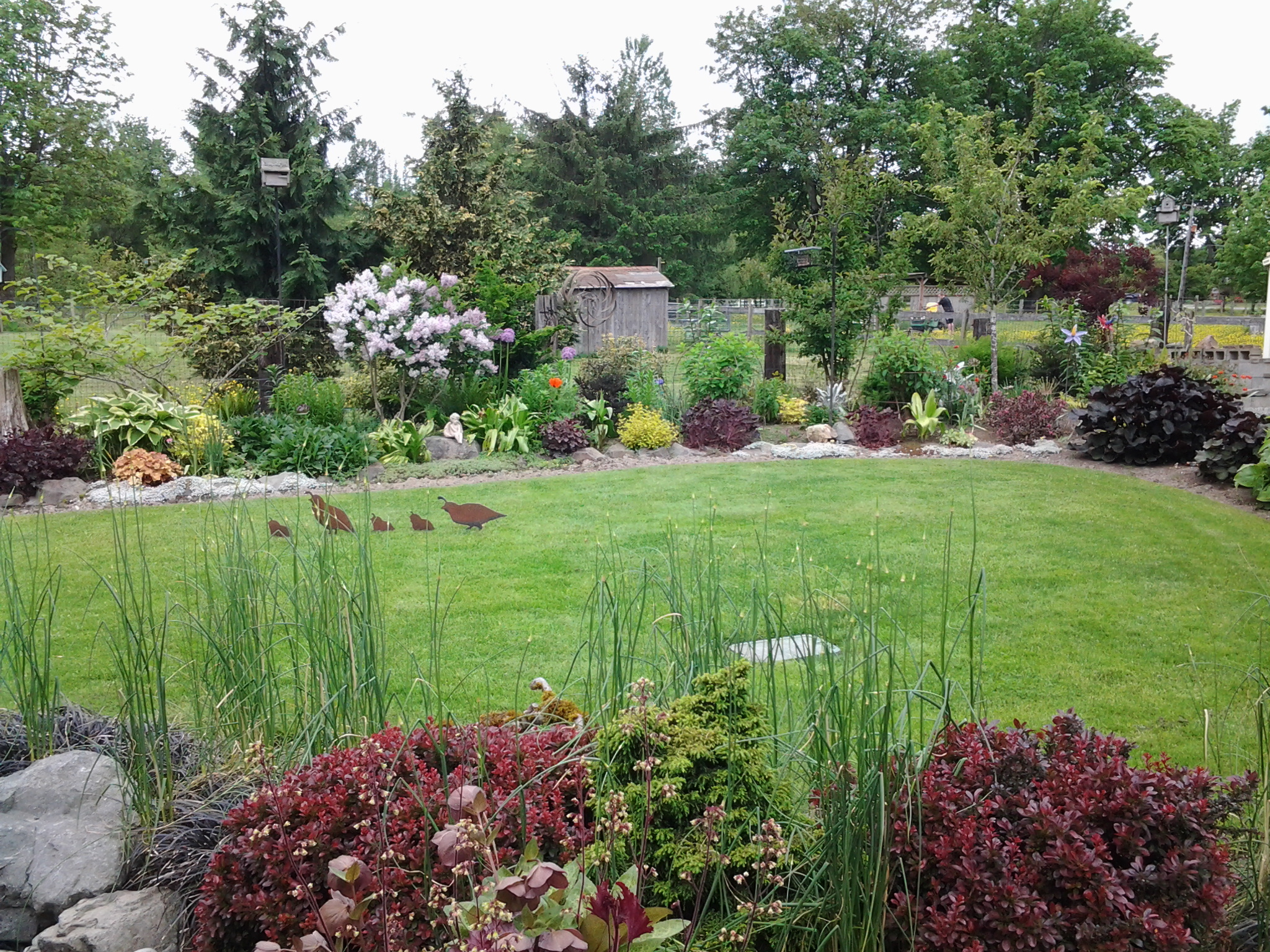
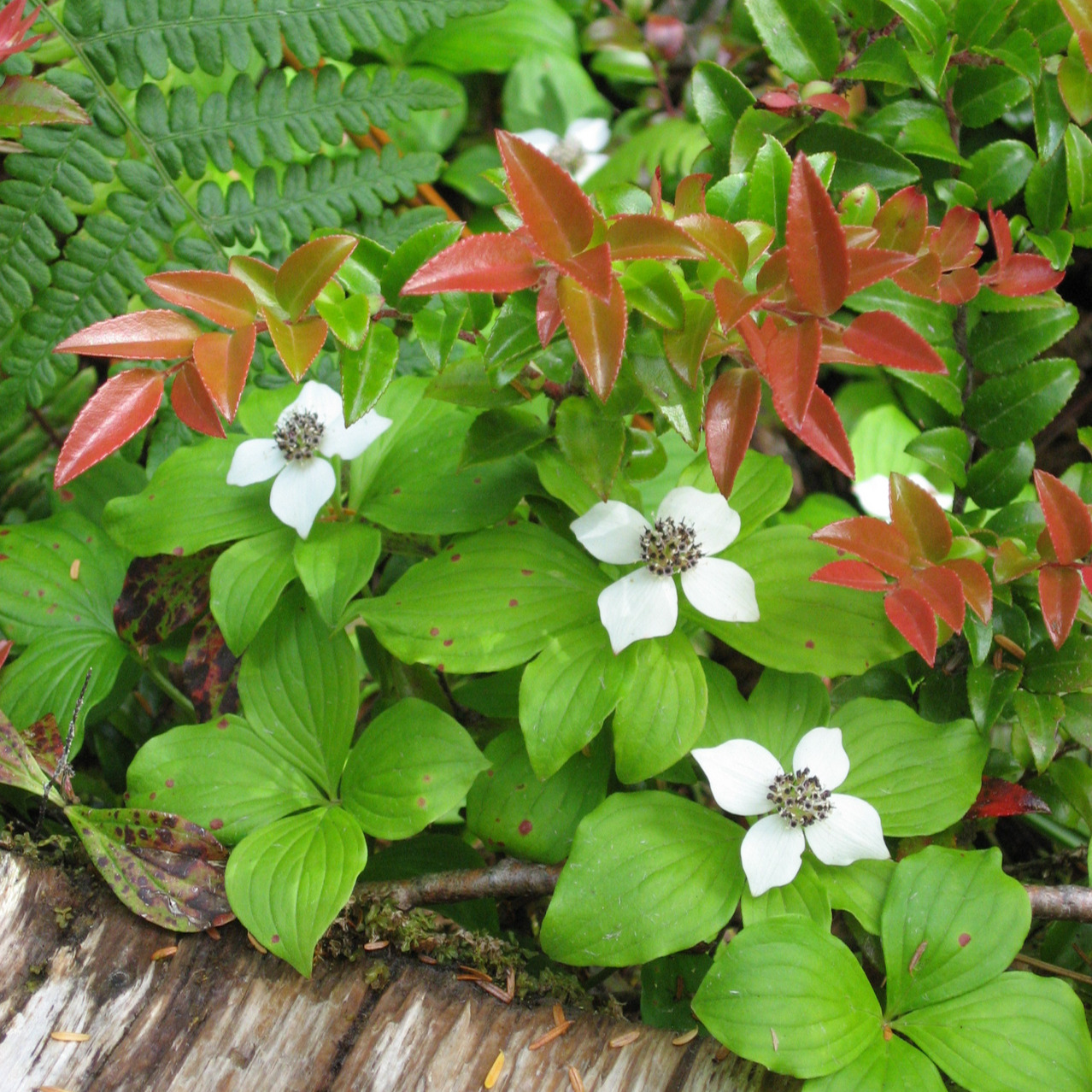
Go native! Plant native plants in your garden, especially near water
Native plants do a great job of providing food and shelter for birds, pollinating insects, and other wildlife. They’re already adapted to the kinds of soils that we find here in Western Washington, so they do a great job of controlling erosion by holding soil with their roots. Native plants also don’t need pesticides and fertilizers, so they’re better for kids, pets, and our waterways. You can find a list of native plants adapted to this region here (pdf).
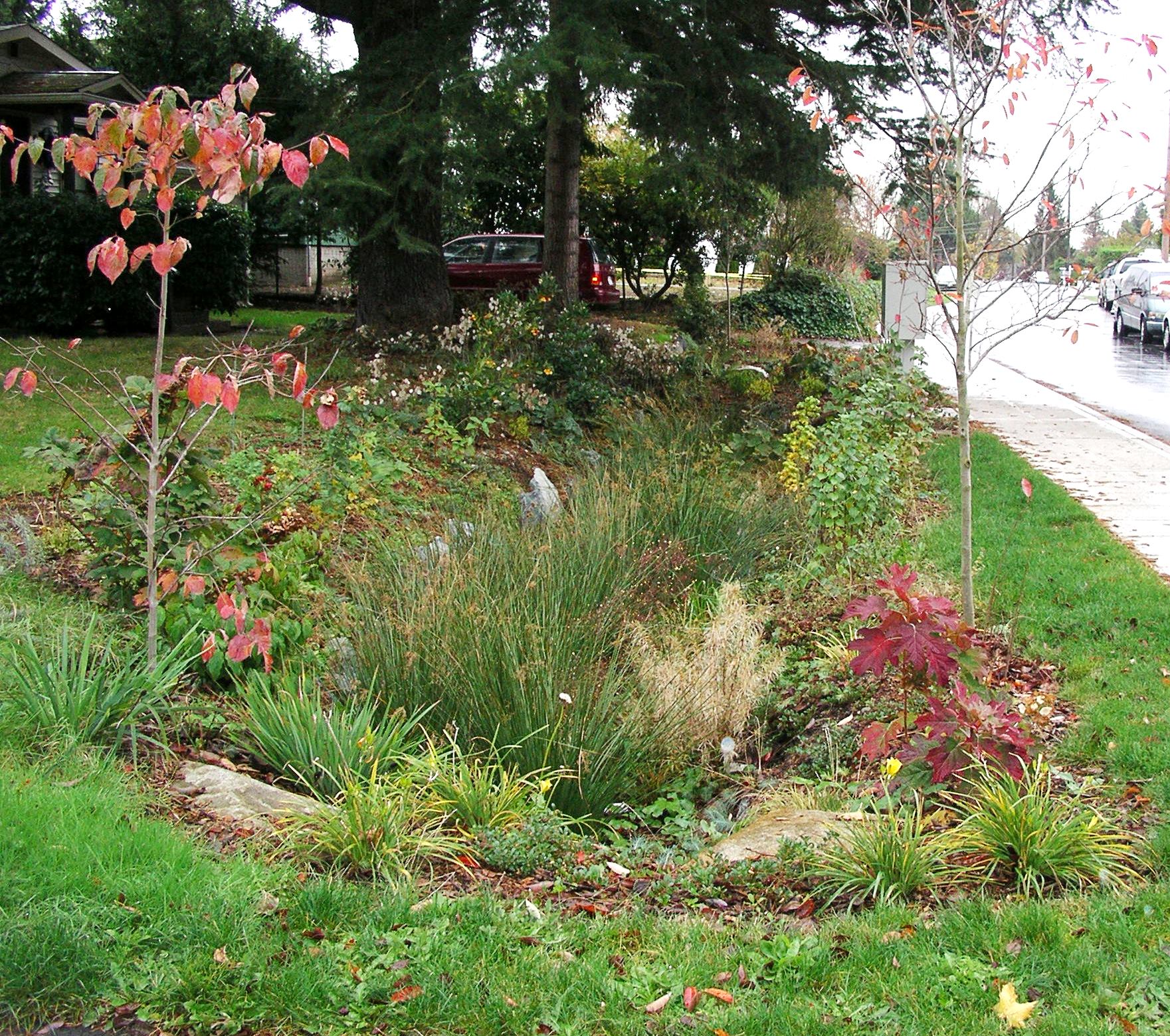
Plant a rain garden
A rain garden is a bowl-shaped garden designed to slow, filter, and absorb runoff from roofs or pavement keeping it from becoming harmful water pollution. Rain gardens are carefully designed to achieve their goal by using spongy living soils and properly chosen plants. They reduce flooding and are beautiful too!
12,000 Rain Gardens has resources to learn about and build rain gardens and see where they’re being installed in the Puget Sound region.
You can also reduce and filter runoff from your property by using mulch to amend and improve soils, collect rain in a rain barrel or cistern, replace traditional pavement with permeable pavement, plant native trees and shrubs, or install a green roof. Learn more about rainscaping in our rainscaping guide (pdf).