Protecting Water | Farm
Public Works | Natural Resources Division
Best management practices (BMPs) are proven, practical ways to manage your farm while preventing pollution. There are many sources of information on BMPs for farms and agriculture. The Washington Department of Ecology's Voluntary Clean Water Guidance for Agriculture is a comprehensive source of information. The Skagit Conservation District's farm planners can offer advice tailored to our region and your specific farm.
Below are a few of the most important BMPs to protect water quality in Skagit County.
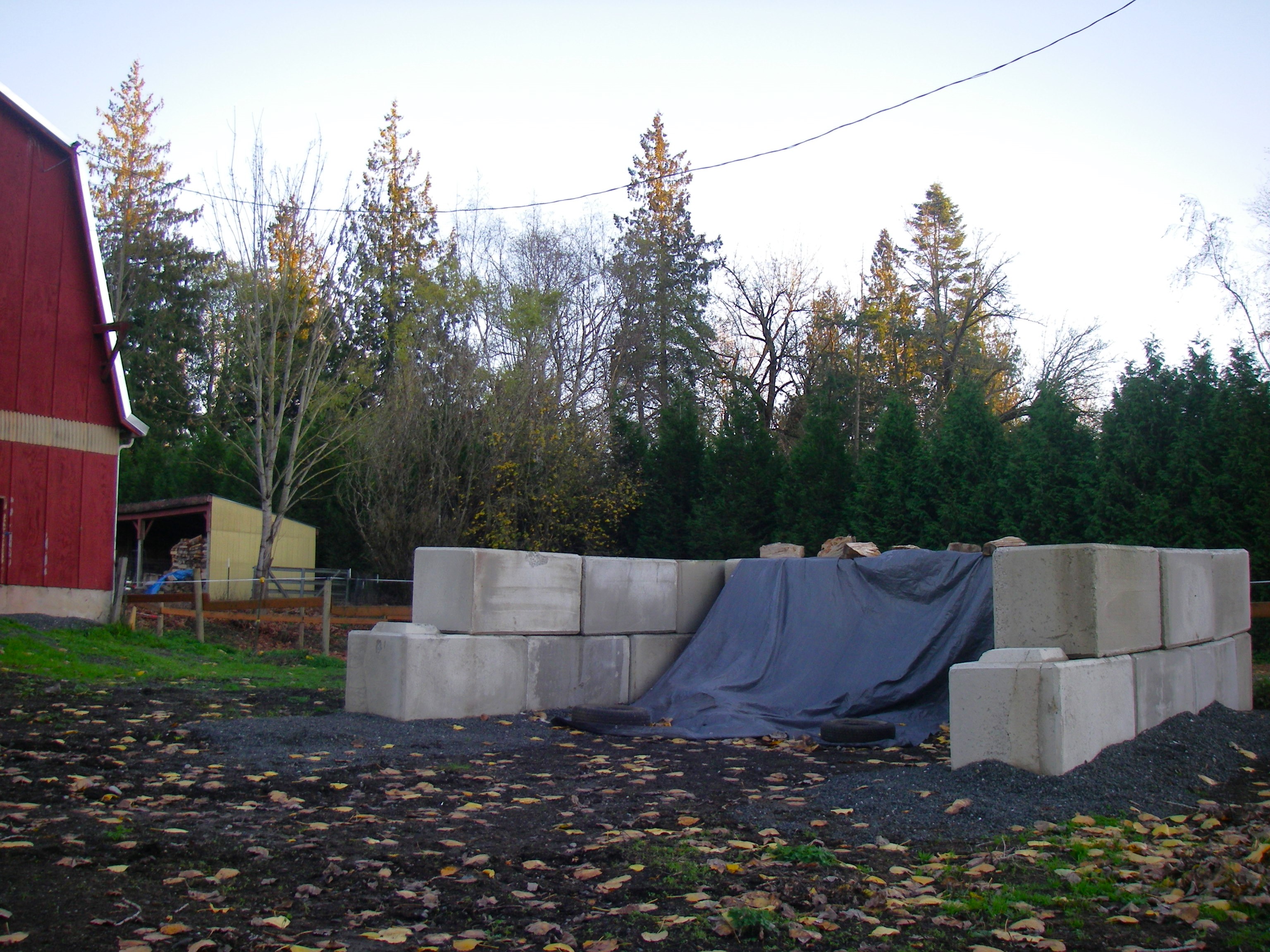
Collect and store manure under cover
Rain picks up whatever it touches including bacteria and nutrients from manure left on the landscape. When that rain turns into runoff, those pollutants are carried into our waterways where they can make water unsafe to swim, wade, or fish in.
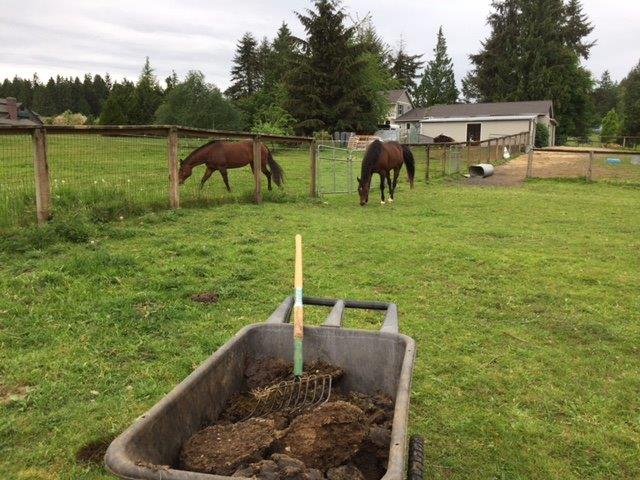
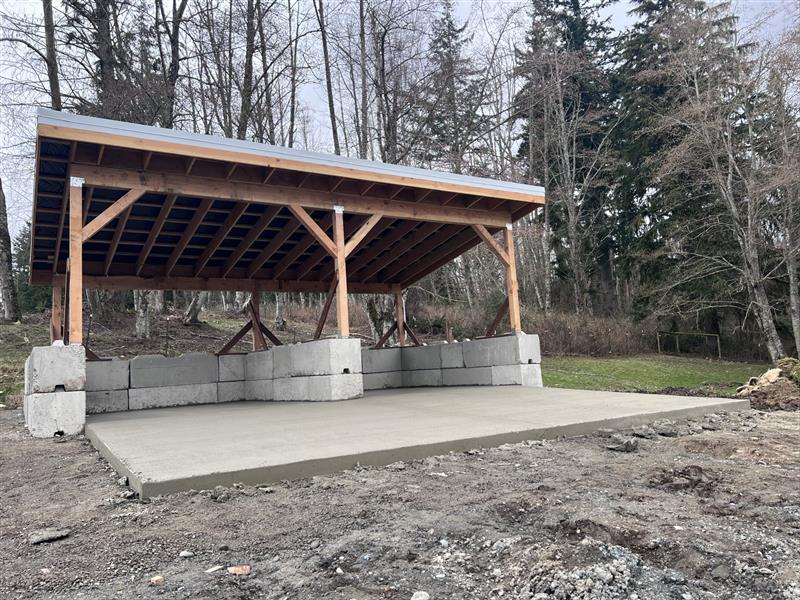
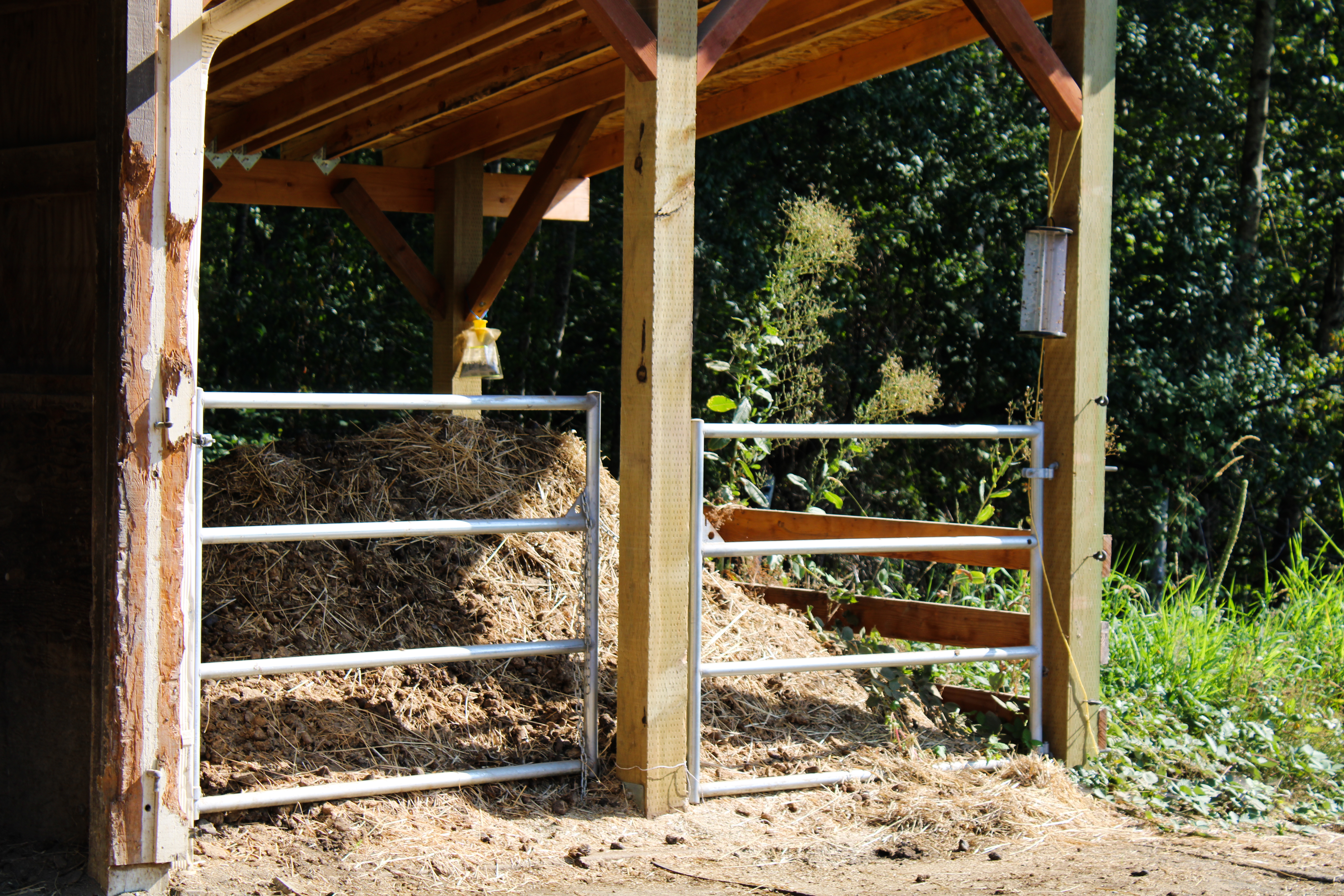
Collect manure and cover it to protect it from rain. You can build a manure storage bin with a roof, or just keep it in a pile and cover it with a tarp.
Spread your manure in the spring or whenever the grass is actively growing. Or, if you have too much manure to use yourself, offer it to local gardeners or small farmers.
Fence animals out of water
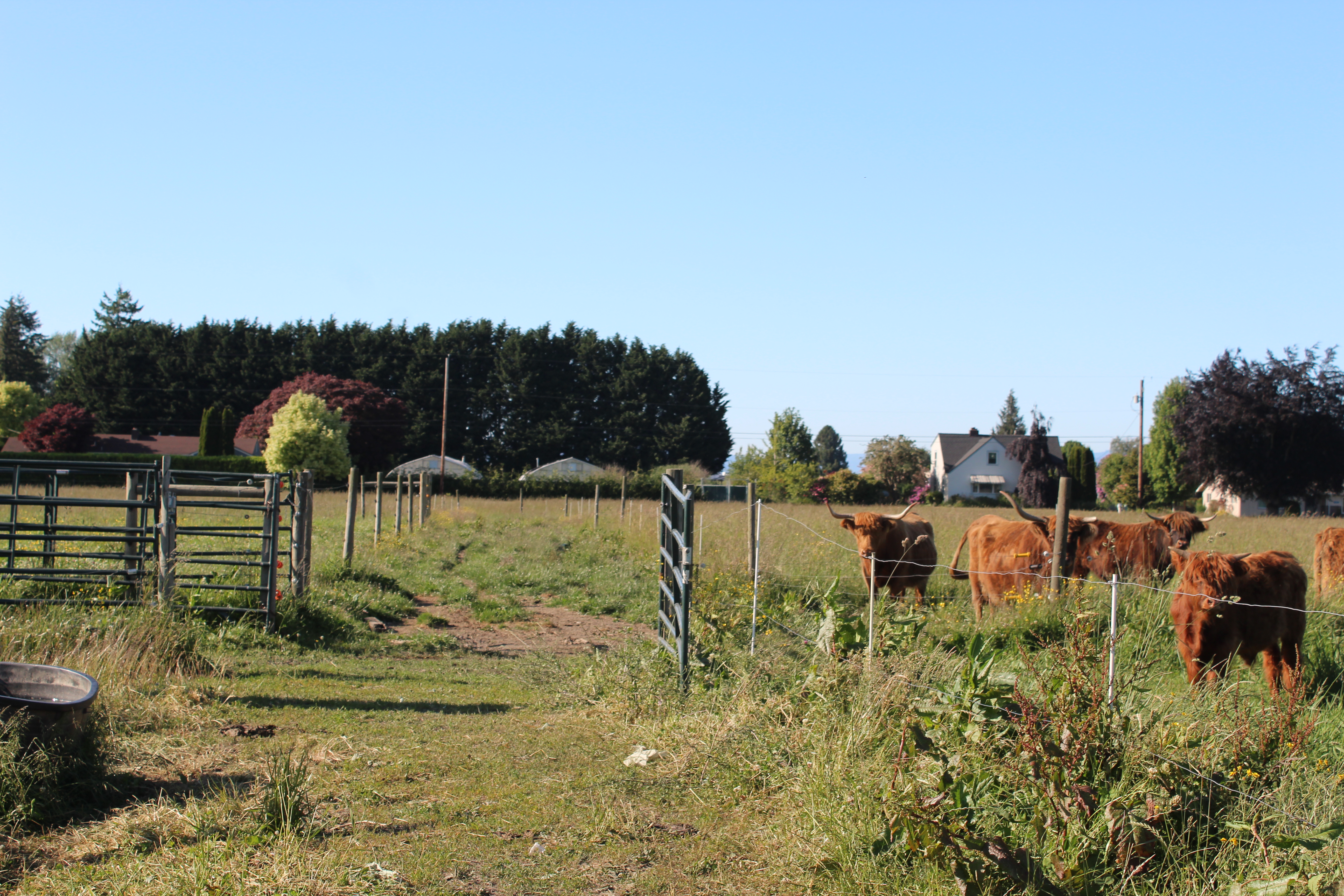
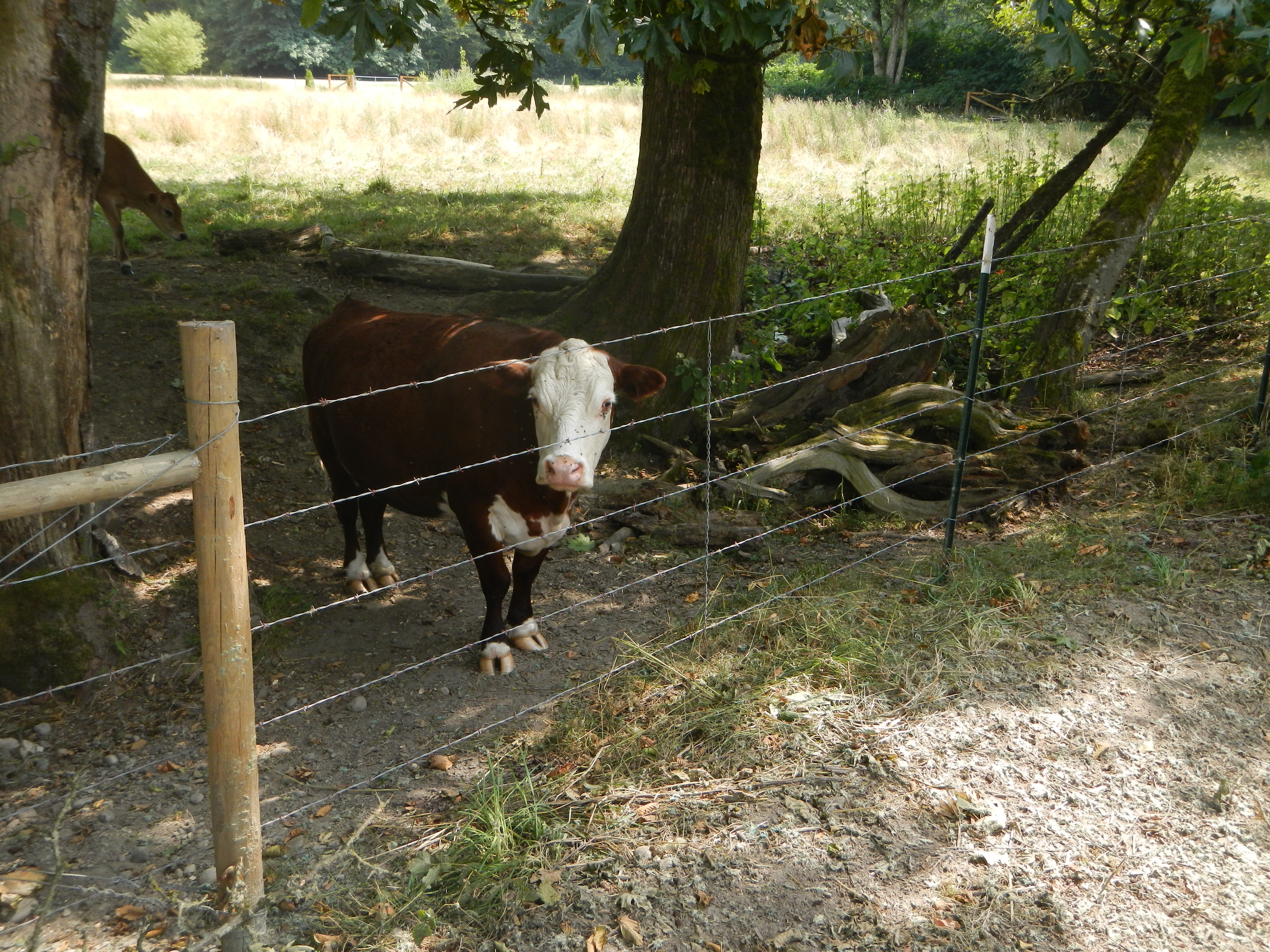
Keeping your animals away from water keeps their manure out of the water too. If you have a seasonally wet area, use temporary fencing to keep animals away from it until it is dry enough to graze.
Our Natural Resources Stewardship Program may be able to help you install permanent fencing to keep animals away from a waterway. The Skagit Conservation District's cost share program may also be able to assist with fencing projects.
Manage mud on your property
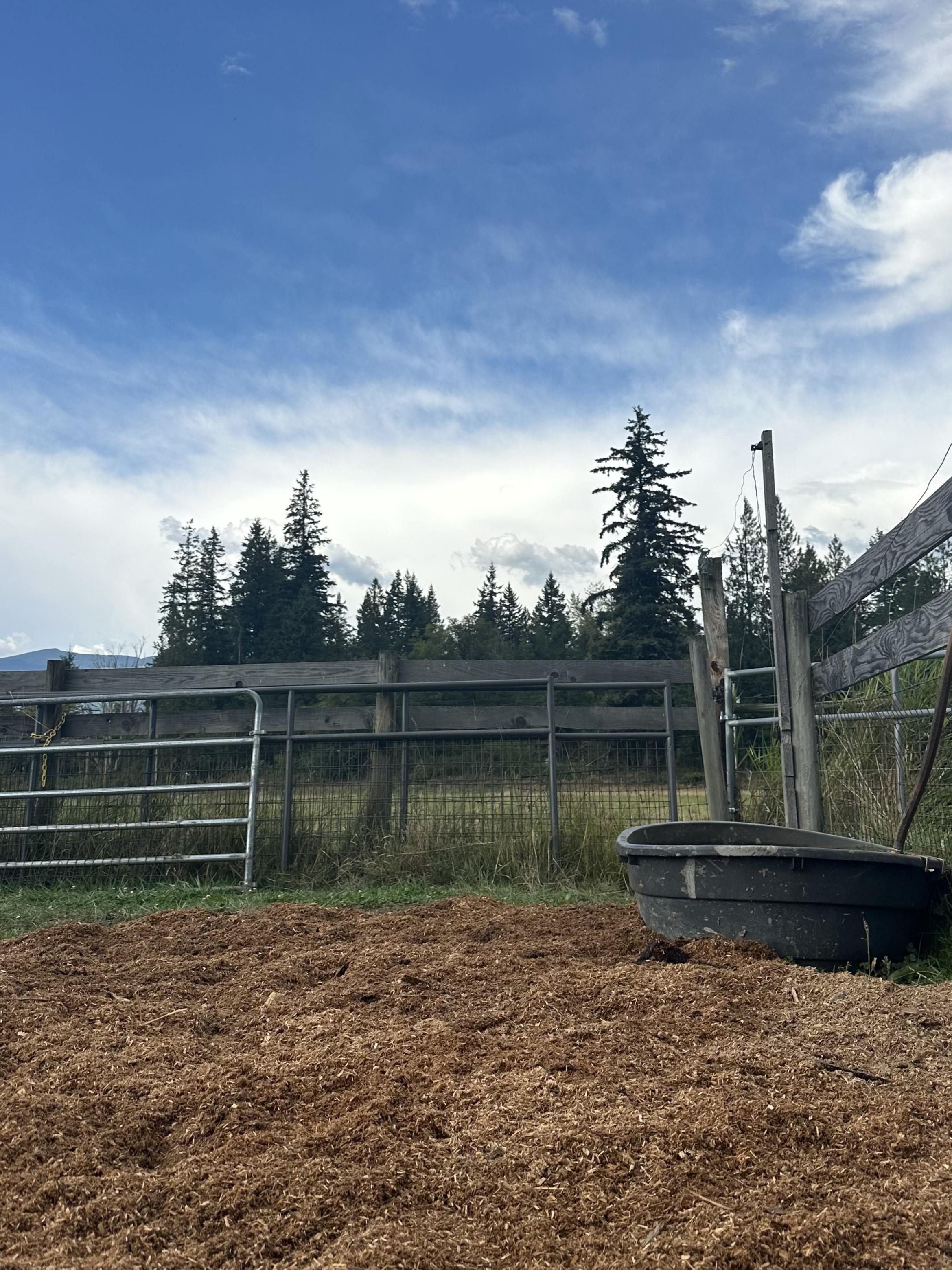
Mud shows up in a lot of different ways. Exposure to mud can cause hoof diseases and runoff from muddy areas can carry bacteria and nutrient pollution to the nearest waterway. To reduce it:
- Direct gutter downspouts away from where your animals spend time.
- Manage high traffic areas such as around gates, water and feed areas for mud. Adding footing materials such as gravel, hog fuel, sand, etc. can help reduce mud in these areas.
- Keep animals off wet pastures. If the grass can easily be tugged out of the ground, the pasture is too wet for grazing.
Create a heavy use area
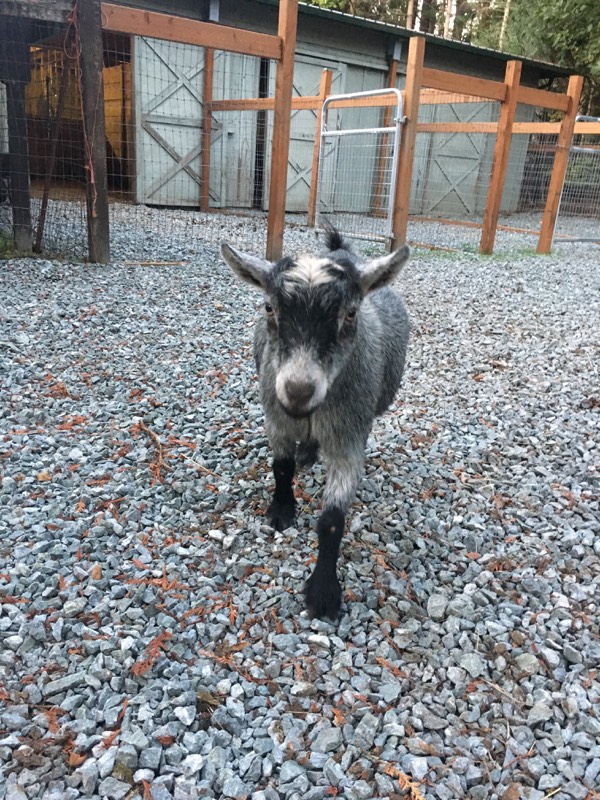
A heavy use area gives you a place to put your animals when you need to move them off their pasture. They help protect pastures from soil compaction during the wet months and overgrazing during the summer. A well-designed heavy use area can prevent mud, help you manage manure, maximize chore efficiency, and protect animal health and water quality.
Keep pastures healthy by using pasture management
Pasture management is a set of practices including rotational grazing, testing soil nutrients and applying fertilizer, and managing for weeds. Good pasture management produces high quality feed, reduces mud and soil erosion, and promotes resilient pastures. Learn more from the Washington State University Skagit County Extension.