Pollution Identification and Correction
Public Works | Natural Resources Division
The Skagit County PIC Program works to find and fix sources of fecal coliform and E. coli pollution brought by runoff into our rivers, creeks and bays.
We started the program in 2010, focusing on the area that drains into Samish Bay. In 2015, we expanded to the area that drains into Padilla Bay. Many years of effort have resulted in improved water quality in both areas, but there is still more work to do to meet state water quality standards.
What are fecal coliform and E. coli, and how do they get into the water?
Fecal coliform are a class of bacteria found in the intestinal tract of warm-blooded animals. Some of the types of bacteria that fall into the fecal coliform class can cause illness in humans and other animals. One of those types of bacteria is Escherichia coli, or E. coli for short.
There are two ways fecal coliform and E. coli get into the water. One is when poop is released directly into the water, such as when a failing septic system leaks into a nearby creek. Another is when rain falls on poop left on the landscape from dogs, farm animals, humans, or wildlife. Rainwater picks up that poop and carries it into the nearest waterway.
When fecal coliform and E. coli are found in high numbers in our creeks, rivers, lakes, and bays, people who swim, wade, or eat shellfish from these waters can get sick.
How do we find pollution problems?
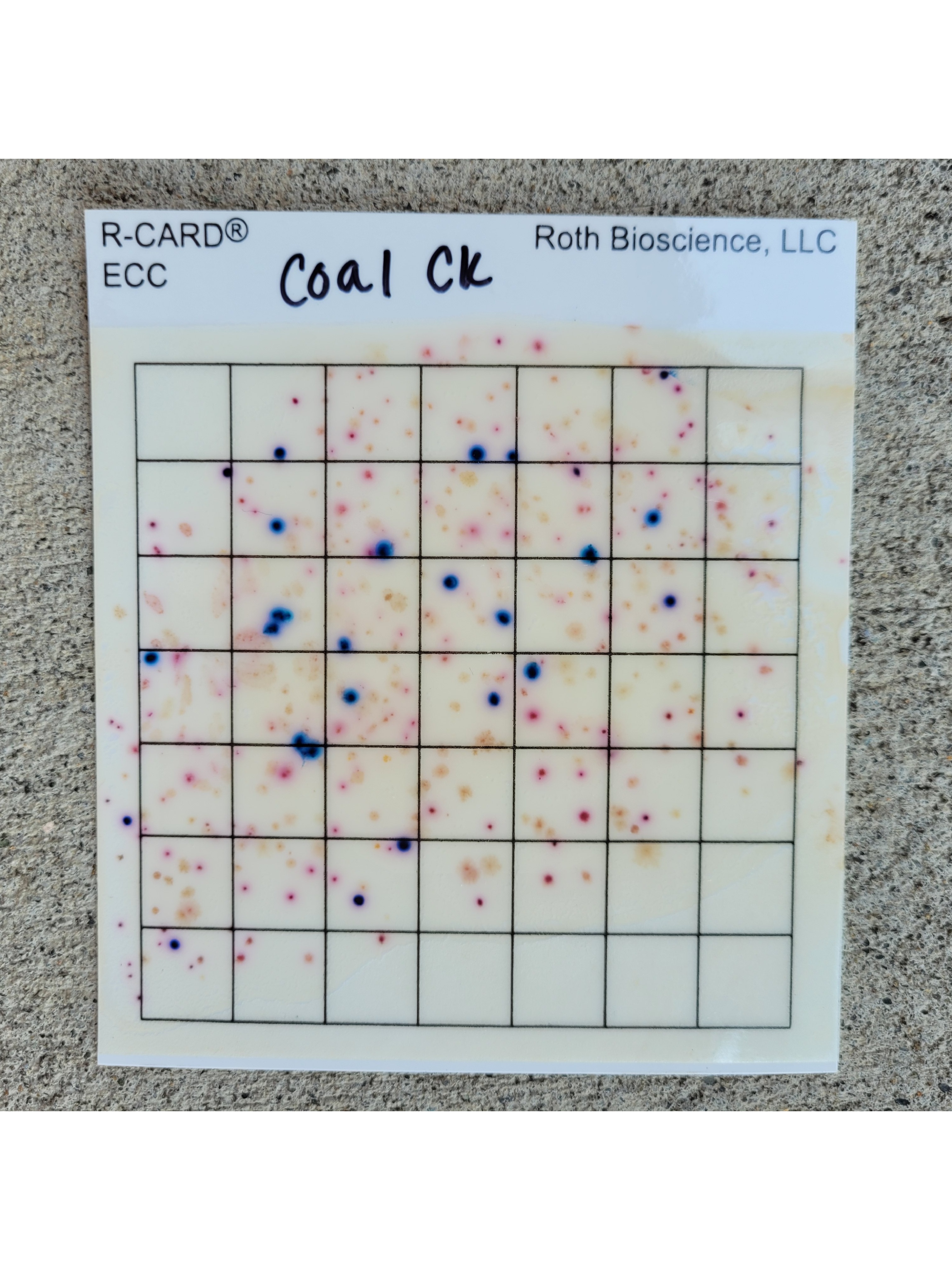
The most common ways we find pollution problems are by field observations and water quality sampling. When our water quality monitoring program or other organizations find water quality problems, we sample upstream until we find a source. Sometimes other agencies or members of the public report concerns to us.
How do we improve water quality?
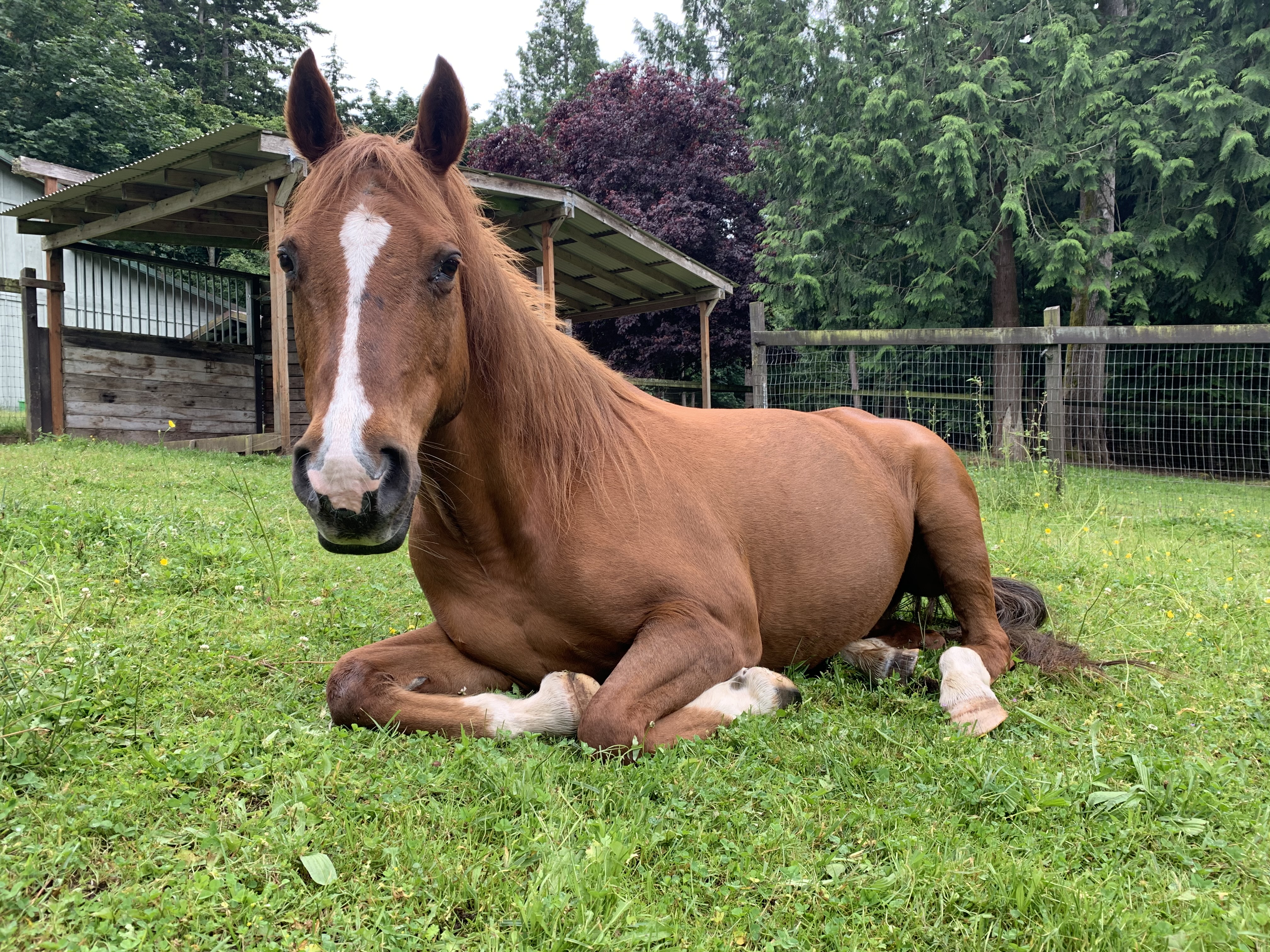
The bacteria polluting our waterways comes from many different sources including septic systems, farms, our pets, and wildlife. Because there are many sources, many different solutions are required to make our waterways safe.

Dog poop: scoop it, bag it, and trash it!
Dog poop is a major pollutant in our waters. Scoop the poop in yards, and in natural areas. Bag it, and place it in the trash.

Inspect septic systems regularly
Regular septic system maintenance finds small problems before they get big and expensive. Rebate and loan programs are available to help with the cost of inspections and repairs.

Use best management practices (BMPs) on farms
Collect and store manure. Reduce mud. Fence animals out of streams and ditches. Use pasture management to reduce compaction and weeds. Learn more from the Skagit Conservation District.

Dump sewage at dump stations
Sewage from RVs and boats harms wildlife, spreads disease, and can close beaches and shellfish growing areas. Always empty boat and RV sewage tanks into designated pump stations. Find boat dump stations at Pumpout Washington and RV dump stations online.

Let wildlife find their own food
Feeding wildlife like raccoons and deer creates an unnatural concentration of animals and their poop. Wild animals can lose their fear of humans which can lead to tragic results when they encounter other people, pets, or cars. Donate or compost excess produce from fruit trees or gardens.

Recreate responsibly
Plan your gear and your route, but don't forget to plan for what you'll do when nature calls! Bring a portable toilet, a backpacker waste bag, or learn how to poop in the woods the right way.


