


Your septic system is required to be inspected at least every year by a qualified inspector OR at least every three years for simple gravity systems, by Washington State Code (WAC 246-272A-0270), in order to assure that your system is functioning. This requirement is regardless of usage.
On-Site Septic Program
Public Health | Environmental Health
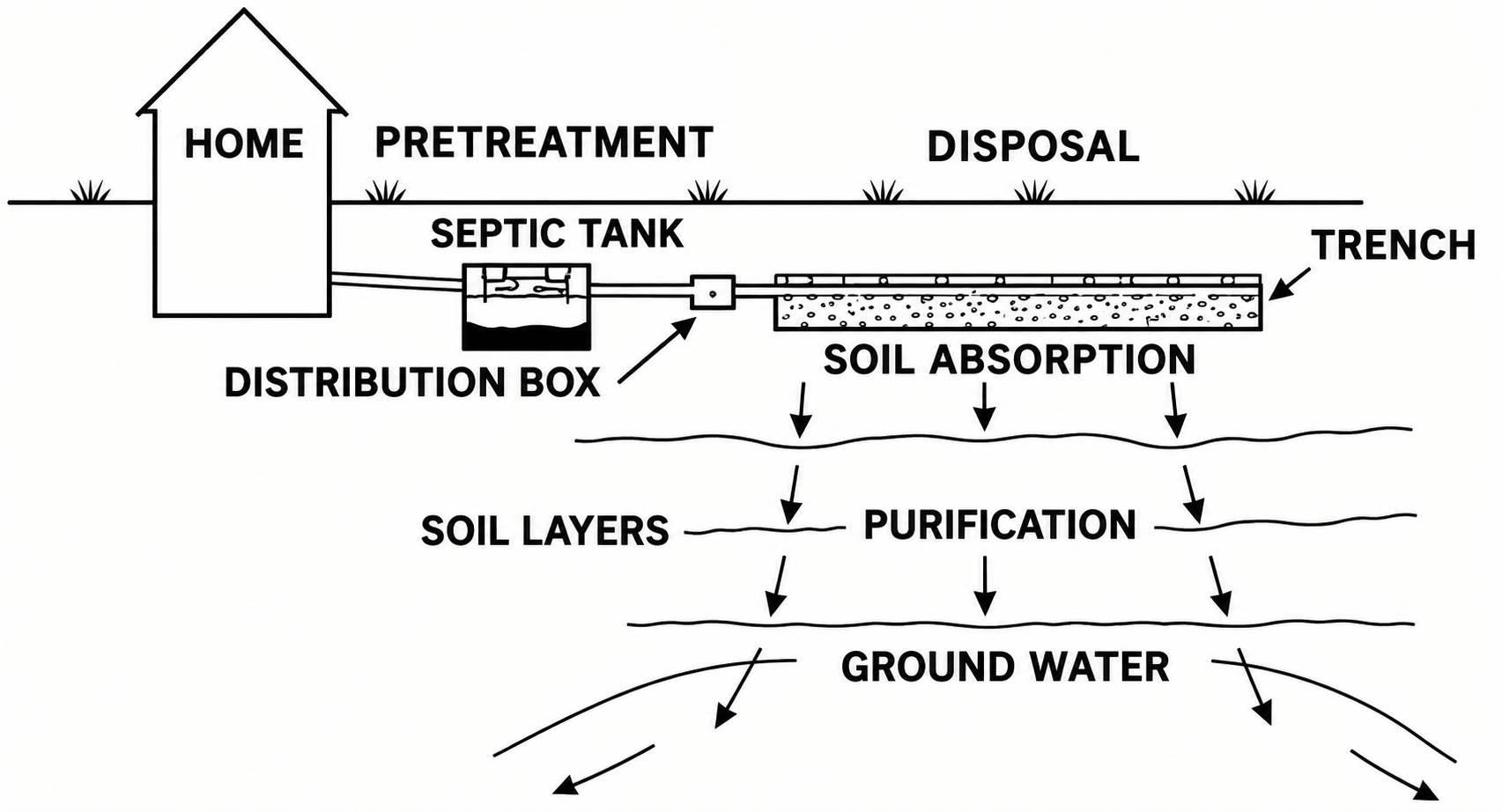
Septic systems treat sewage on the property where it is generated. Over 20,000 septic systems in Skagit County clean and recycle sewage contaminated water into clean groundwater every day in Skagit County. On-site sewage treatment can work as well or better than large wastewater treatment plants with proper design, installation, and maintenance.
Marine Recovery Areas
Marine Recovery Area is defined in law as an area where additional requirements for existing on-site sewage disposal systems may be necessary to reduce potential failing systems or minimize negative impacts on water quality. Environmental Public Health is focusing on all Marine Recovery Areas (MRA) to make sure on-site sewage systems are not contributing to pollution in Puget Sound.
Current Marine Recovery Areas Map.
On September 16, 2008 the Skagit County Board of Commissioners signed Ordinance #020080011 Sensitive Areas as outlined in the Skagit County On-Site Sewage Management Plan. This was further revised in May 2012, adding the Upper NE Samish and Willard Creek MRAs so all on-site sewage systems in the Samish Watershed are included.
The Clean Samish Initiative is a multi-agency effort focused on the Samish Basin dealing with multiple potential sources of pollution, including septic systems. You can learn more about pollution prevention at poopsmart.org
Septic System Inspection Requirements
Septic systems require routine inspection!
Your septic system is a valuable investment. Just like your home or car, your septic system needs regular attention and maintenance to function for many years to come. Regular maintenance starts with inspections! Inspections can help identify and repair small problems before they become large issues that can cause illness, pollute water, and compound into larger more expensive repairs or a system failure. Timely inspections and active management of your septic system can keep it operational for much longer than with system abuse or neglect. (WAC 246-272A-0270)
How often does my system need to be inspected?
Who can inspect a septic system?
Septic systems must be inspected by certified Operations and Maintenance Specialists. Under certain conditions, homeowners may become certified to inspect their own gravity septic system through our Septics Education Program
How will the County know my system has been inspected?
Inspectors complete an inspection form, upload that information to a database, and the information is provided to the Health Department. Basic information from the inspection is available on line through the county's records search webpage: Septic Search
My septic tank was pumped. Is that an inspection?
No. Your septic inspection should always determine if you need to pump. A general recommendation is to pump when your septic tank is 1/3 full of solid materials. Don’t waste money by pumping unnecessarily!
If my system has a special treatment system are there special requirements?
Yes, these systems require ANNUAL inspections. They require a maintenance contract with a certified Operations & Maintenance Specialist. This information must be recorded on your property title so that future property owners become aware of this contract (Sample Title Notice).
What if my septic system fails the inspection?
Your inspection may show that the system needs maintenance, repair, or that the tank is due to be pumped. Sometimes a simple repair can fix a small problem now that might turn into a large (expensive!) problem later. The inspection may also show that your system is failing. In the case of a failure, you need to take action to prevent pollution and comply with code. You will need to contact a septic system designer or installer to repair or replace the failing system which requires a permit.
[Current designer/installer lists]
Is there financial assistance for repairs to failing septic systems?
If you have a septic system failure (drainfield, septic tank, or other components) you may qualify for a low interest loan. Learn more and apply at www.Craft3.org/CleanWater
I’m selling a/my house, do I need an inspection?
According to Chapter 12.05.160 Skagit County On-site Sewage Code, before any transfer of property with an on-site sewage system, an Operations and Maintenance (O/M) inspection must be completed by a certified O/M Specialist, except when:
- An O/M inspection has been completed within six months prior to the property transfer.
- A copy of the O/M inspection report shall be provided to the buyer and Health Officer.
If your client is the seller, they have a responsibility to have the septic system inspected within six months of the closing. We recommend that the inspection be done near the time an offer is made. The inspection must be done by a Skagit County Certified O/M Provider. The list of providers is available: Operations and Maintenance Providers List . In addition The Seller Disclosure Statement (Form 17) checklist asks When was it last inspected and by whom?
If your client is the buyer, they have the right to see a completed On-site Sewage inspection report before closing, The inspection should be dated within six months of the closing. Completed inspections will be documented with septic system information on our septic search website
Rebates & Financial Assistance
All residents of Skagit County whose homes or businesses are served by a septic system require annual inspections, unless the system is conventional gravity (three-year inspection requirement), per Skagit County Code (SCC) 12.05.160 and Washington Administrative Code (WAC) 246-272A-270.
Rebates for Qualified Residents
Skagit County Public Health is offering up to $500 rebates for septic system inspection, pumping, riser installation, lid replacement, or minor repairs to qualifying residents (one per household).
| Category | Risers & Lids | Inspection | Pumping | Minor Repair* |
| Individual Rebate Amount (up to) | $200 (total for new install) $50 (each replacement lid; up to 4) |
$100 | $100 | $200 |
On-Site Septic Permitting
Getting a septic system (also called an "on-site sewage system" or "OSS") designed, permitted, and installed can be lengthy. The timeline depends on several factors, such as payment timing, planning requirements, design revisions, and seasonal reviews. In 2025, the average time from submitting a permit application to receiving a design permit (Step 2-4) is about 60 days. We are committed to timeliness and will do our best to keep the process moving as quickly as possible within our limits.
If you are doing any of the following (WAC 246-272A-0200), you will need to take the steps outlined below to get your system installed and approved. A summary is also available here.
- Building a new home or other plumbed structure that will not be connected to sewer.
- Having a repair done that is not a minor repair.
- Replacing your existing septic system.
- Home addition/remodel that requires you to increase the size of your system or alter it.
Depending on your property and what you want to do, there may be more requirements with other regulatory agencies such as Skagit County Planning & Development Services (PDS) in addition to what Skagit County Public Health requires.
All permits are managed through the County's permitting software Civic Access. You can create an account to apply, pay for, and check the live status of any development permit.
First, your OSS designer will dig soil test holes to determine the type of soil on your property. Then they will design a system that meets all codes based on the soil type, number of bedrooms, size of home, and distance to a water source. Only licensed on-site wastewater designers and professional engineers may design septic systems. Please review our list of WA State Certified OSS Designers who work in Skagit County.
Step 2: Submit a Permit Application and Pay Fees
Your system designer will submit a permit application, site and soil evaluation, site plan, and their proposed design through Civic Access. Once submitted, the required fees will be calculated and payment requested. Some designers include the permit fee in their services—check with your designer to confirm who is responsible. If the application is incomplete, you and your designer will be notified and corrections can be resubmitted. You may also receive an email indicating that a maintenance agreement is required to be recorded to the parcel.
Step 3: Review by Skagit County Public Health
Upon receipt of a complete application and payment, Skagit County Public Health will begin reviewing the application and design. A determination will be made within 30 days*. It is possible we may consult with your designer, require corrections, and do a site visit to make sure the proposed design will treat wastewater effectively.
*If wet season/winter review (typically November-April) is needed, the process may take up to 12 months.
Once the review is complete and all requirements are met, your design and application will be approved, and you can move forward with hiring an OSS installer. If not approved, you and your designer will receive an email with the required corrections to approve the system.
*Repair permits expire after 1 year; all others expire in 3 years.
Only installers certified by Skagit County can install your septic system as designed. You can find a list of certified OSS installers here. Gravity-only systems may be eligible to be installed by homeowners. Please review the eligibility criteria and contact us if you are still interested in doing so.
Keep in mind that not all installers work on every system type. For instance, Level 1 installers cannot install Level 2 systems. For more complex designs or site conditions, a pre-construction meeting may be required to review details and address any concerns before the permit is issued.
During the installation, Skagit County Public Health will conduct a final inspection to observe the installed system prior to backfill. Your installer must request an inspection 2 full working days advanced notice. If everything meets requirements, the installer can proceed with final cover. If there are issues, we will work with your installer and designer on the required corrections before covering the system is allowed.
If the system is installed according to the approved design and all tests are successful, your designer or installer will submit an as-built (record drawing) to Skagit County Public Health. We will review the record drawing to confirm its completeness before final approval is granted.
After we receive and accept the as-built record, you’ll be notified through Civic Access, and you can begin using your septic system. To keep your system functioning properly, plan for inspections every 1–3 years, pumping as needed, and occasional minor repairs.
Quick Links
Rebate Application
Online Form
Fillable PDF
Providers
Operation & Maintenance Professionals
Certified Installers
Licensed Designers
Homeowner Inspection Form
Gravity Homeowner Inspection Form
Regulations
Skagit County Sewage Code
Washington State Sewage Regulations
Department Standards & Guidance
Address
301 Valley Mall Way, Suite 110
Mount Vernon, WA 98273
Hours
Monday – Friday
8:30 a.m. to 4:30 p.m.
Closed federal holidays
Contact Us
septic@skagitcountywa.gov
(360) 416-1500
Press 1, then Press 2
Follow Us

We’d love your feedback!
Tell us about your experience
working with us.


